
Summary
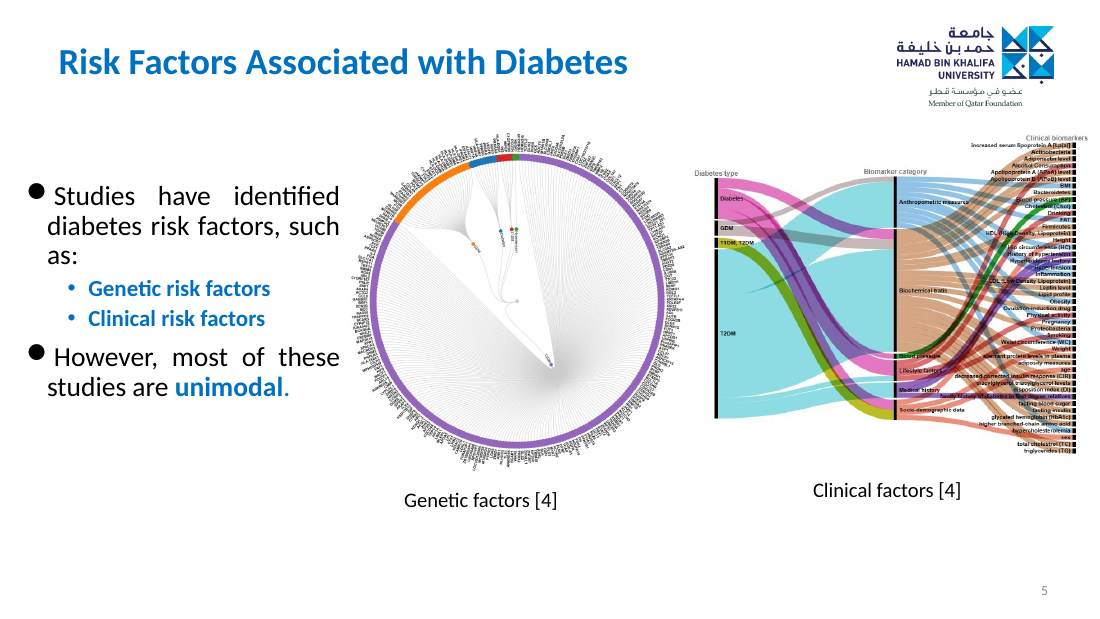
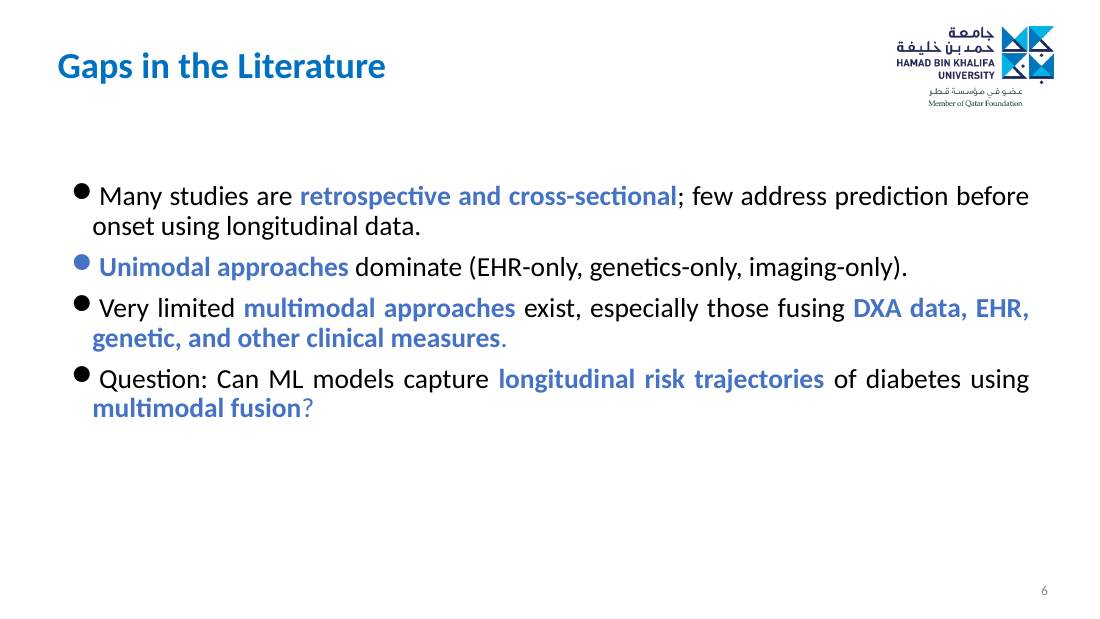
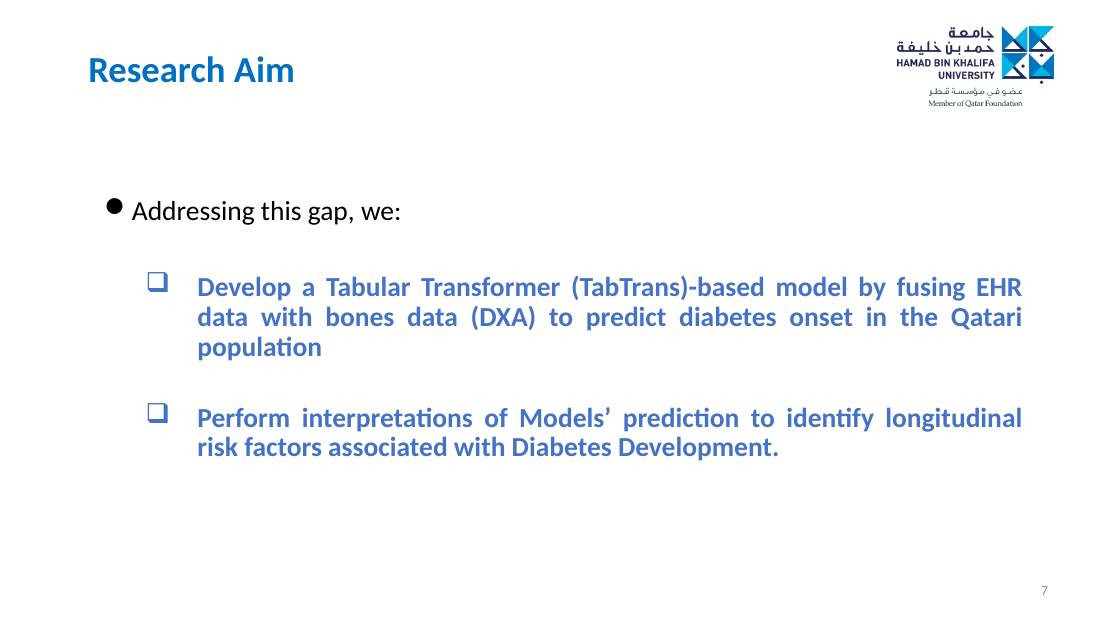
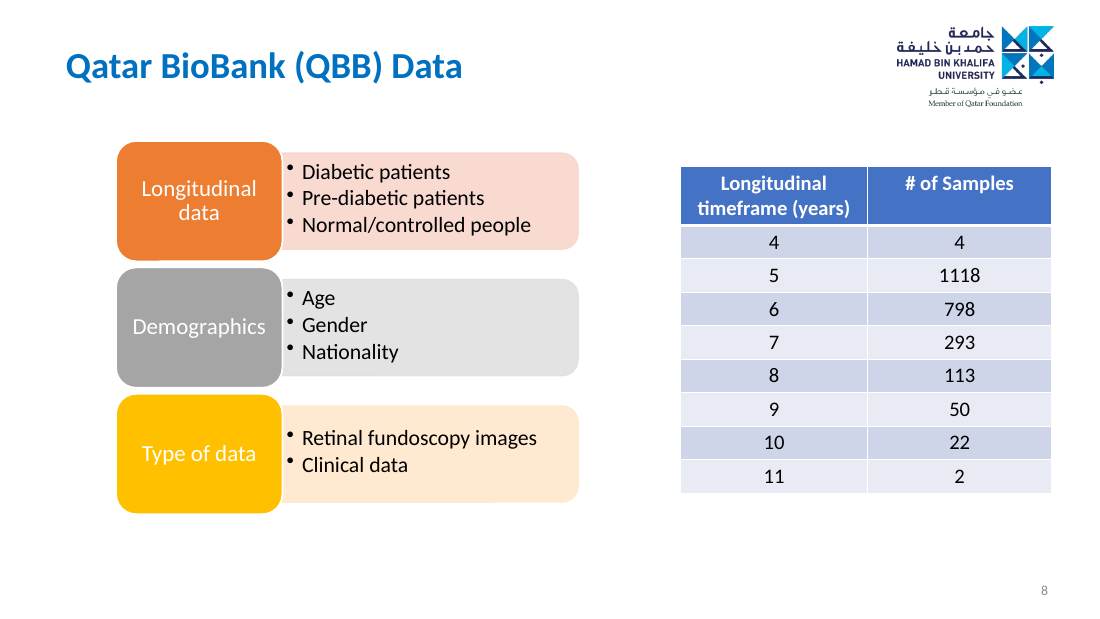
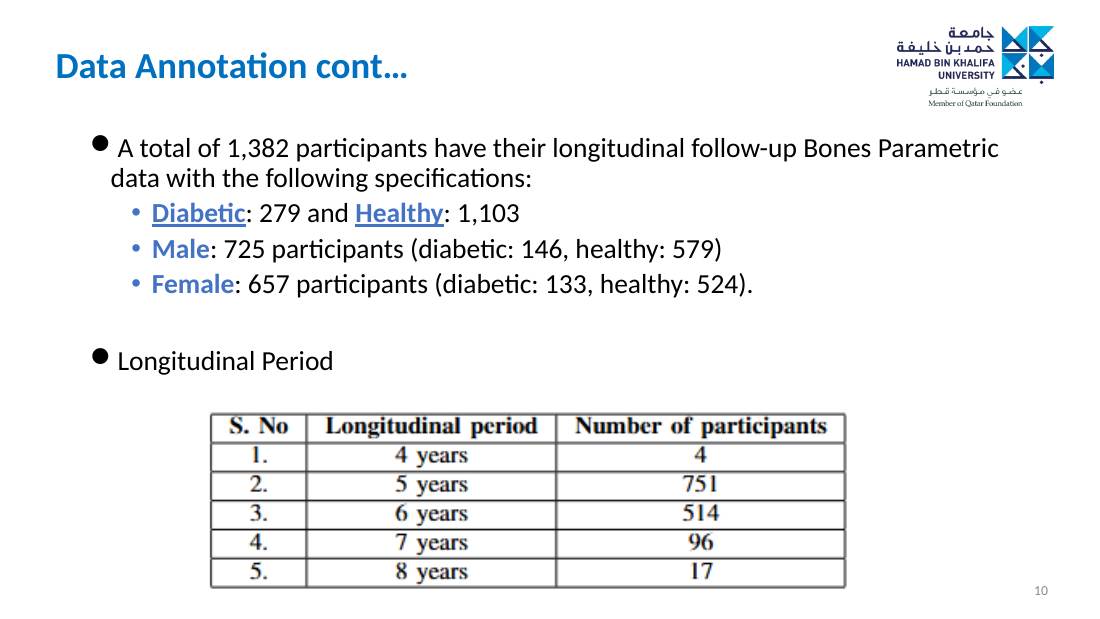
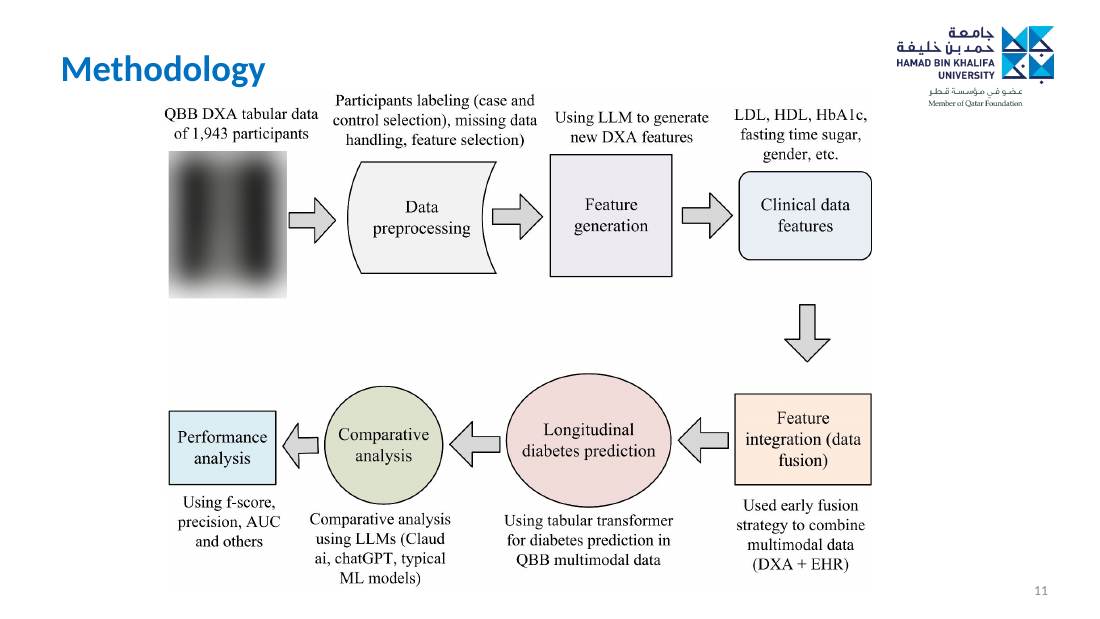
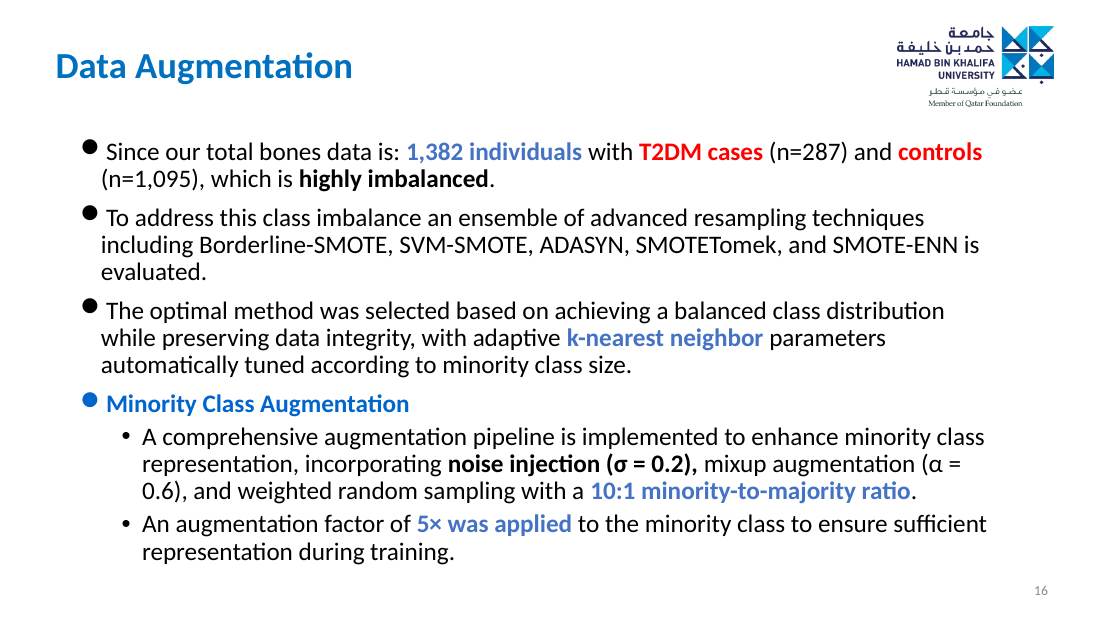
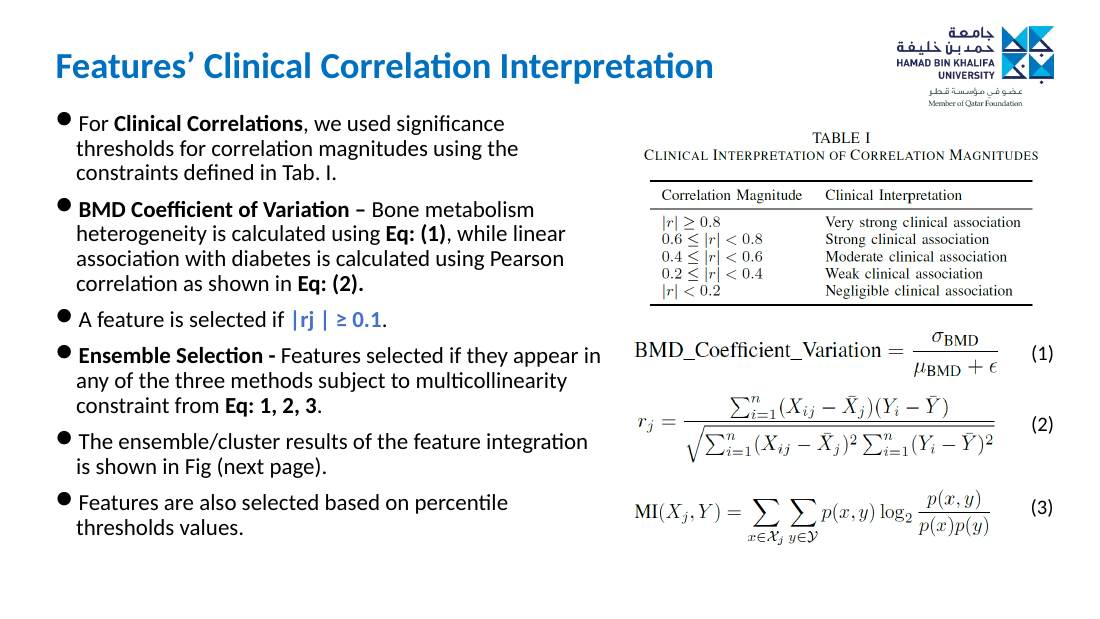
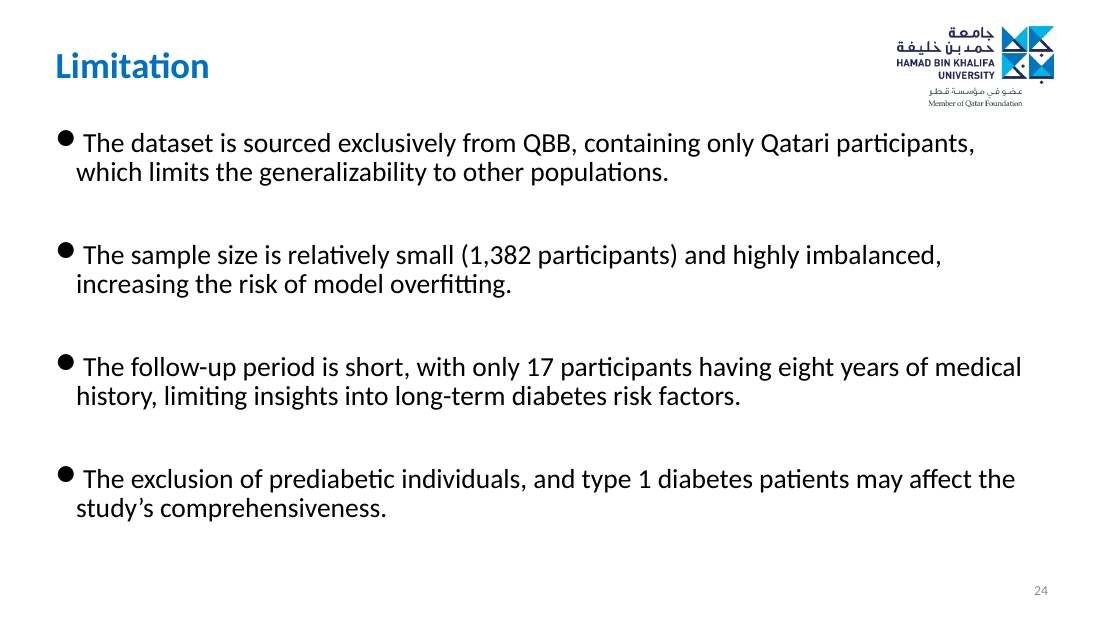
Diabetes can be diagnosed cheaply with blood tests; the challenge is predicting who will develop it. Using longitudinal Qatar Biobank data from 1,382 participants, we fused DXA bone measurements with clinical data such as HbA1c, cholesterol and demographics.
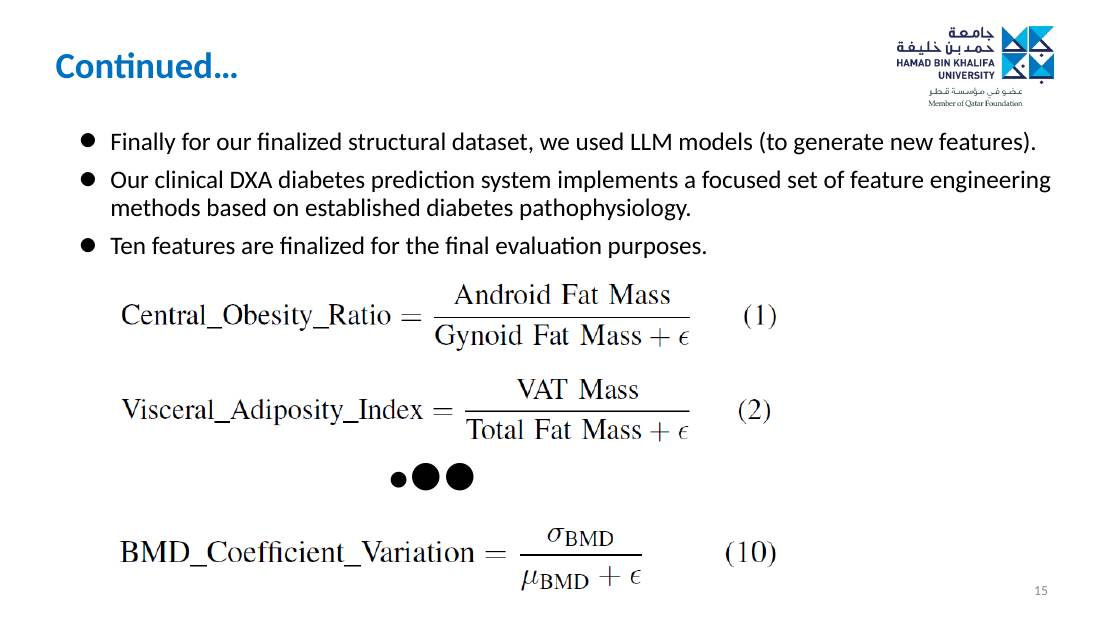
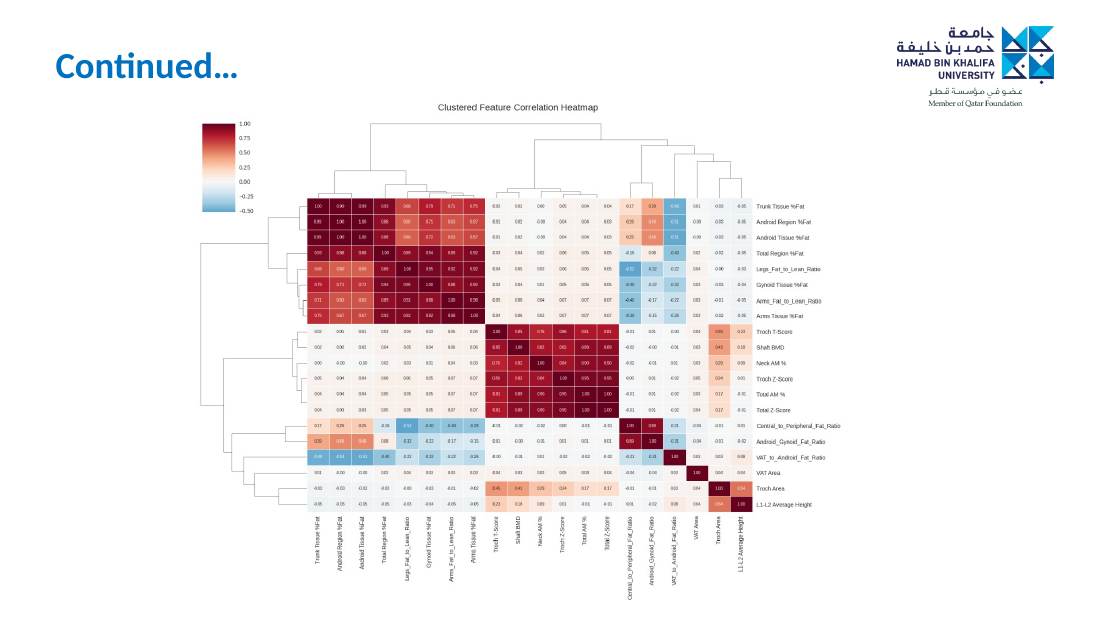
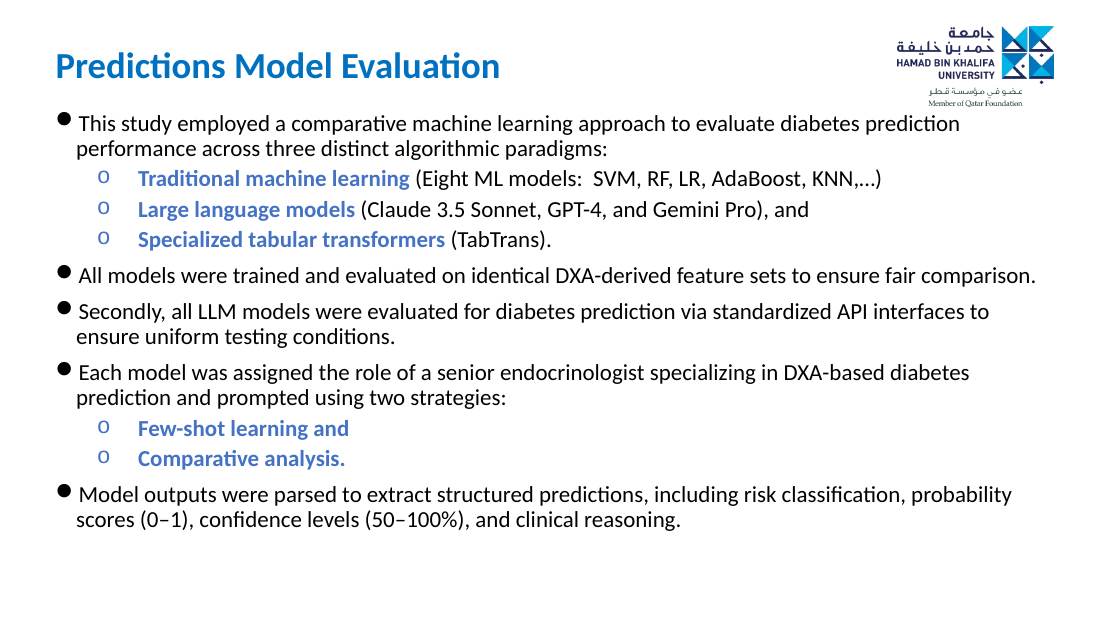
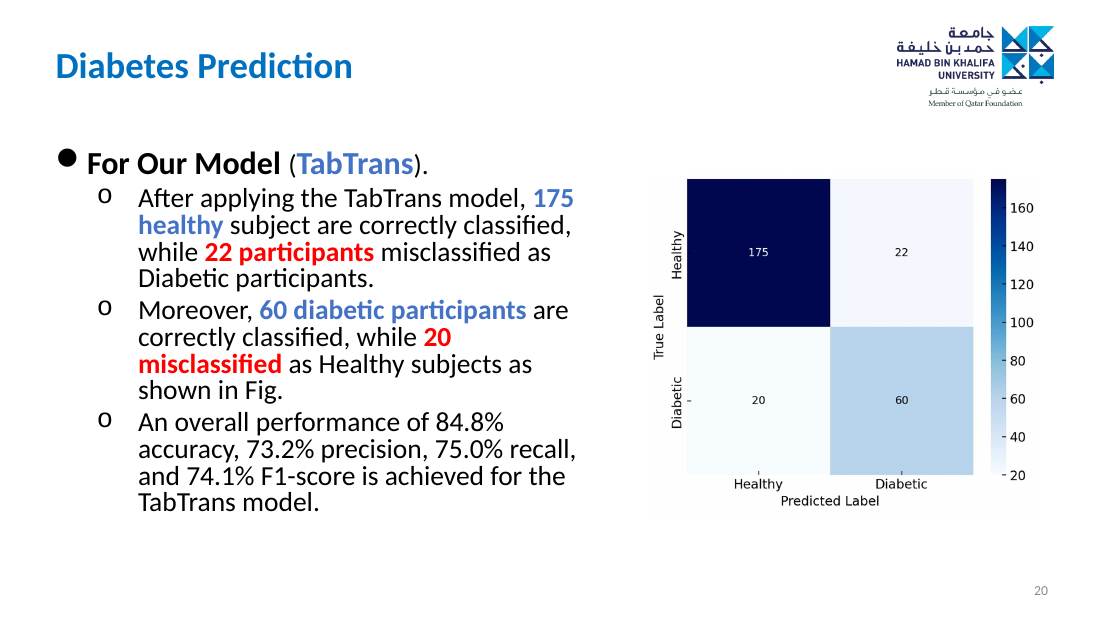
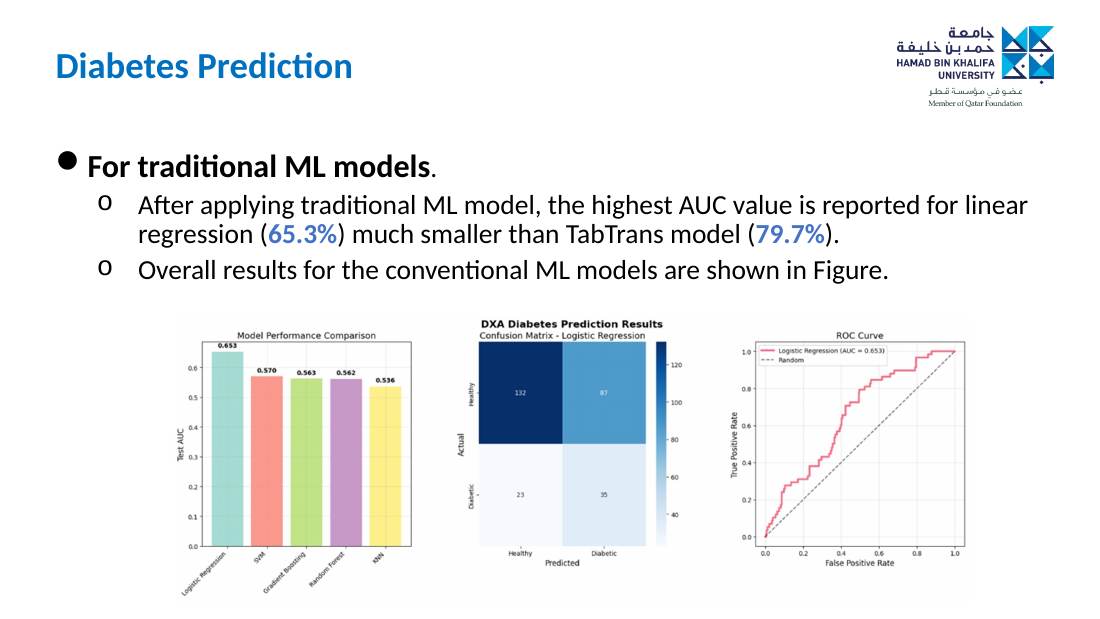
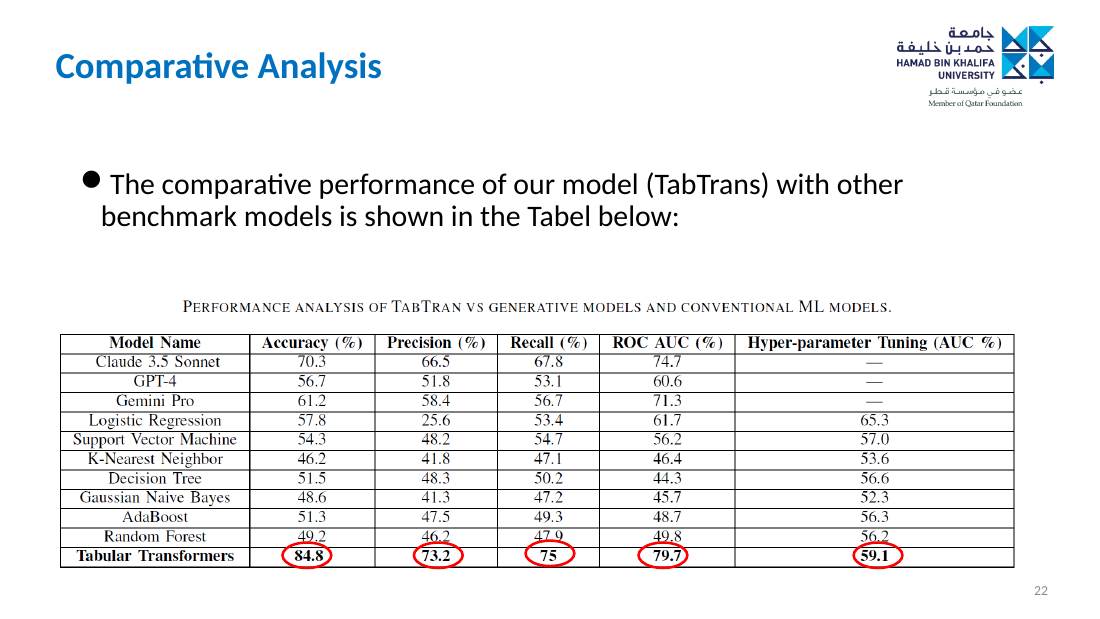
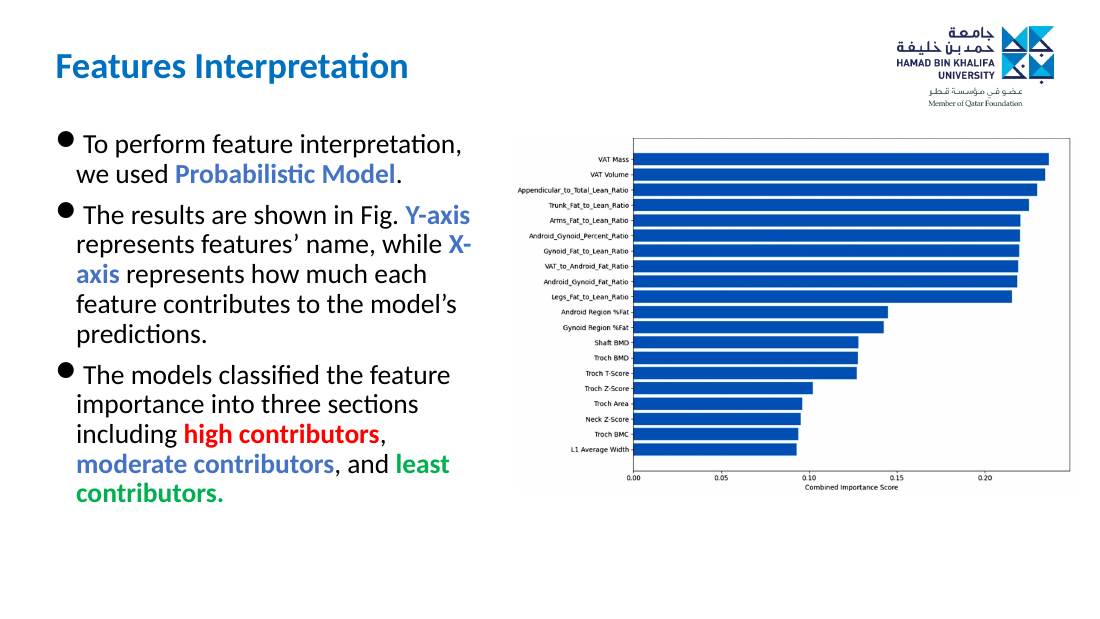
A tabular transformer reached an AUROC of 79.7%, well above conventional machine-learning models (best 65.3%) and large language models prompted as clinical assistants. Interpretation highlighted visceral fat, bone mineral density and lean-mass measures as risk factors in Qatari adults.